







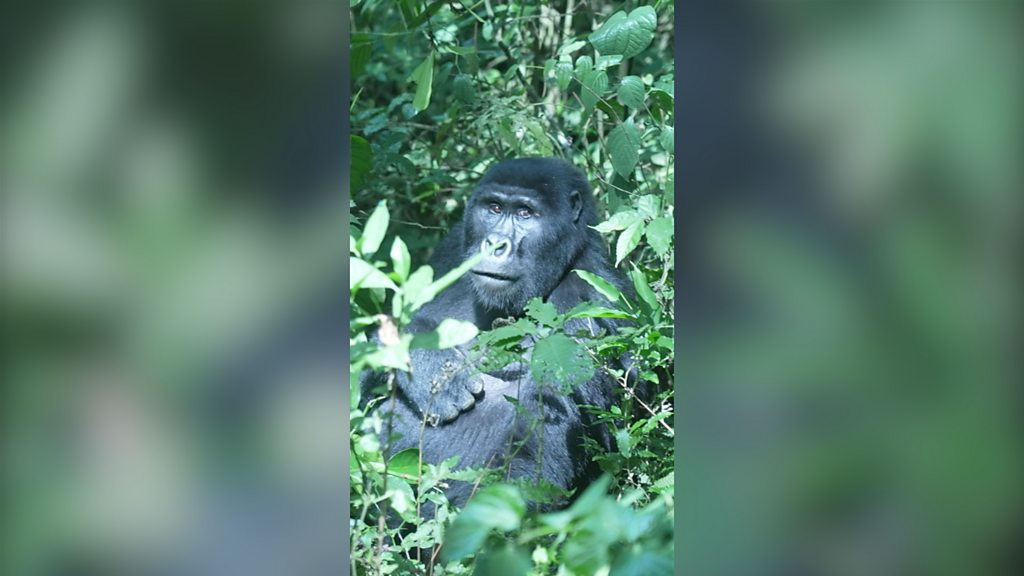
The Nexus of Human Welfare and Biodiversity: A Strategic Assessment of Mountain Gorilla Conservation in South West Uganda
The preservation of the mountain gorilla (Gorilla beringei beringei) in South West Uganda represents one of the most successful ecological recovery case studies in modern history. Situated within the dense, high-altitude terrain of the Bwindi Impenetrable Forest and Mgahinga Gorilla National Park, this subspecies was once on the brink of extinction. However, recent census data indicates a robust recovery, with the population now exceeding 1,000 individuals globally,a milestone that led the International Union for Conservation of Nature (IUCN) to reclassify the species from “critically endangered” to “endangered.”
This demographic shift is not merely the result of increased patrols or stricter law enforcement; rather, it is the direct consequence of a strategic paradigm shift in conservation methodology. For decades, the “fortress conservation” model,which sought to isolate wildlife by excluding human populations,failed to address the underlying drivers of habitat encroachment and poaching. The contemporary approach in South West Uganda focuses on the “Integrated Conservation and Development” (ICD) framework. This model posits that the survival of a flagship species is inextricably linked to the socio-economic stability of the human communities living on the park’s periphery. By addressing poverty, health disparities, and educational gaps among the local Bakiga and Batwa populations, conservationists have successfully fostered a “social license to operate,” transforming former adversaries of the forest into its primary stakeholders and guardians.
Socio-Economic Integration as a Catalyst for Biodiversity Protection
The primary threat to the mountain gorilla has historically been anthropogenic stress, driven largely by extreme poverty. In the districts surrounding Bwindi, population density is among the highest in Africa, with many communities relying on subsistence agriculture. When crops fail or resources dwindle, the forest becomes the only source of fuel, food, and income. This leads to habitat fragmentation and the accidental trapping of gorillas in snares set for smaller bushmeat.
To mitigate these pressures, conservation organizations have pivoted toward creating alternative, sustainable livelihoods that decouple local income from forest exploitation. Initiatives such as the cultivation of “Gorilla Conservation Coffee” exemplify this strategy. By providing local farmers with premium prices and technical training to produce high-quality Arabica coffee, the program ensures that landowners benefit more from a standing forest than from cleared land. Furthermore, the hiring of community members as rangers, trackers, and porters provides stable, formal employment. This economic integration creates a tangible value proposition: the presence of live gorillas provides more long-term wealth than the short-term gains of poaching or illegal timber harvesting.
Mitigating Zoonotic Risks Through Community Healthcare
A critical, yet often overlooked, aspect of the Ugandan conservation strategy is the implementation of the “One Health” model. Because mountain gorillas share approximately 98.4% of their DNA with humans, they are highly susceptible to human respiratory and enteric pathogens. In a region where access to modern medicine is limited, a common cold or a parasitic infection in a local village can evolve into a catastrophic epidemic for a habituated gorilla troop.
Strategic interventions have therefore focused on improving human health as a direct means of protecting gorilla health. Mobile clinics and community health centers have been established to provide vaccinations, clean water access, and hygiene education to those living closest to the park boundaries. By reducing the incidence of tuberculosis, scabies, and other communicable diseases among humans, conservationists effectively create a biological buffer zone around the gorilla habitat. This proactive health management was particularly vital during the global COVID-19 pandemic, where stringent health protocols for both tourists and local staff prevented a potential cross-species transmission that could have decimated the population.
The Economic Multiplier: Tourism Revenue Sharing and Infrastructure
The financial engine of this conservation success is the high-value, low-impact tourism industry. Uganda’s permit system for gorilla trekking is one of the most sophisticated revenue-generation models in the environmental sector. A significant portion of the revenue generated from these permits is legally mandated to be reinvested into the local communities through the Uganda Wildlife Authority’s (UWA) revenue-sharing program.
Currently, 20% of all park entry fees are distributed to the neighboring districts to fund community-selected infrastructure projects. This has resulted in the construction of schools, bridges, and health clinics that would otherwise lack funding. This institutionalized redistribution of wealth ensures that even those community members who are not directly employed by the tourism sector still see the benefits of the gorillas’ presence. When a new school wing is built using funds derived from gorilla tourism, the community’s collective perception of the forest shifts from that of a restricted zone to a vital communal asset. This alignment of institutional goals with community needs has been the single most effective deterrent against illegal activities within the parks.
Concluding Analysis: Toward a Resilient One Health Ecosystem
The success of mountain gorilla conservation in South West Uganda offers a blueprint for global biodiversity management in the 21st century. It demonstrates that the most effective way to protect an endangered species is to invest in the humans who live alongside it. The “One Health” and “Integrated Conservation and Development” models have proven that ecological health and human prosperity are not mutually exclusive; they are, in fact, codependent.
However, the long-term sustainability of this model faces emerging challenges. Climate change poses a threat to the high-altitude vegetation upon which gorillas depend, while a growing human population continues to exert pressure on land use. To maintain the gains made over the last three decades, conservation strategies must evolve to include more robust climate resilience planning and further diversification of the local economy to reduce over-reliance on international tourism, which can be volatile. Ultimately, the Ugandan experience proves that when local communities are treated as partners rather than obstacles, conservation efforts can achieve unprecedented results. The mountain gorilla’s path from the brink of extinction to a growing population is a testament to the power of human-centric environmentalism.





