







Climate-Induced Migration of Tuna Stocks: Implications for Pacific Island Economies
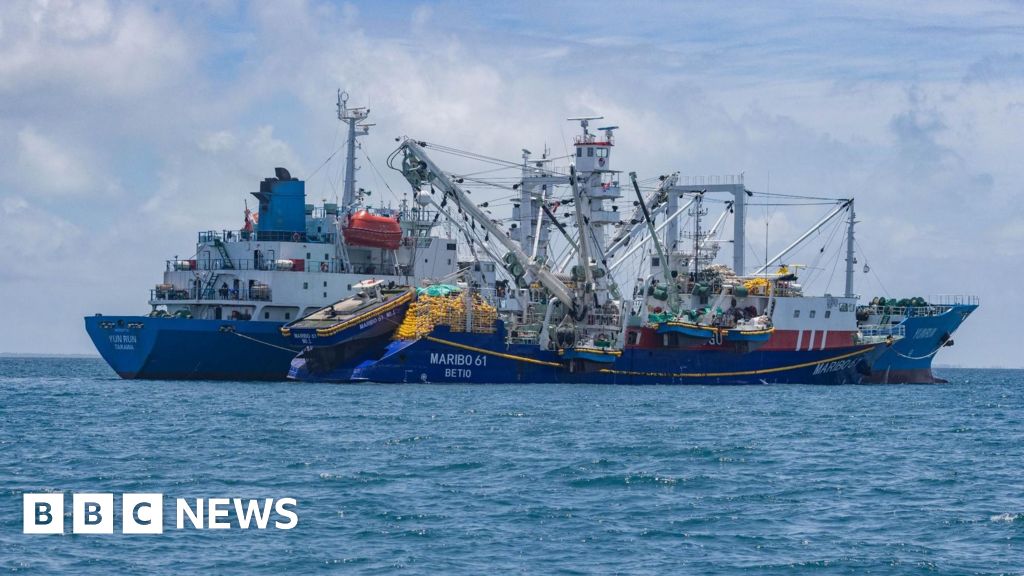
The Western and Central Pacific Ocean (WCPO) serves as the primary engine for the global tuna industry, supplying over half of the world’s skipjack, yellowfin, and bigeye tuna. For many Pacific Island Countries and Territories (PICTs), these marine resources are not merely environmental assets but the foundational pillars of national macroeconomic stability. However, an intensifying body of oceanographic and bio-economic research indicates a structural shift in the distribution of these stocks. As anthropogenic climate change continues to elevate sea surface temperatures, tuna populations are projected to migrate eastward and southward, away from the Exclusive Economic Zones (EEZs) of many Pacific island nations. This geographical displacement poses a systemic risk to regional food security, government revenue streams, and the long-term viability of the multi-billion dollar Pacific tuna fishery.

The phenomenon is driven by the physiological sensitivities of tuna species to water temperature and oxygen levels. Tuna are highly migratory pelagic fish that optimize their distribution based on thermal preferences and the availability of prey. As the “warm pool” of the Western Pacific expands and shifts due to global warming, the optimal habitats for these species are relocating toward the high seas and the jurisdictions of eastern Pacific nations. This shift represents one of the most significant challenges to regional maritime governance in the modern era, requiring a comprehensive re-evaluation of current fisheries management frameworks and international cooperation models.
Macroeconomic Vulnerabilities and Revenue Displacement
For several Pacific nations, particularly the Parties to the Nauru Agreement (PNA), tuna represents a dominant share of non-tax revenue. Through the implementation of the Vessel Day Scheme (VDS), these nations have successfully monetized access to their EEZs, collecting hundreds of millions of dollars annually in access fees from foreign fishing fleets. If tuna biomass relocates outside these jurisdictional boundaries, the bargaining power of these nations diminishes significantly. Economic modeling suggests that by 2050, several PICTs could see a reduction in tuna biomass within their waters by up to 20% or more, leading to a commensurate decline in licensing revenue.
This displacement creates a “revenue gap” that many small island developing states (SIDS) are ill-equipped to fill. In countries like Kiribati, Tuvalu, and the Marshall Islands, tuna-related income accounts for a substantial percentage of the national budget, funding essential public services including healthcare, education, and infrastructure. The migration of tuna into international waters (the high seas) presents an additional complication: on the high seas, fishing activities are often subject to different regulatory standards and do not generate the direct access fees that accrue when fishing occurs within an EEZ. This “loss of jurisdiction” over the resource threatens to reverse decades of progress in Pacific economic self-reliance.
Ecological Drivers and Range Shift Dynamics
The biological impetus for this migration is rooted in the shifting thermoclines of the Pacific Ocean. Skipjack tuna, the most commercially significant species for the canning industry, are particularly sensitive to the expansion of the Western Pacific Warm Pool. As temperatures exceed the species’ optimal thermal range, stocks move toward cooler, nutrient-rich waters. Research indicates that the core distribution of skipjack and yellowfin is drifting toward the central and eastern Pacific at a rate that suggests a permanent relocation rather than a temporary seasonal fluctuation.
Furthermore, climate change impacts the entire marine food web. The distribution of phytoplankton and zooplankton,the primary food sources for the forage fish that tuna consume,is also shifting. This creates a cascading effect where the entire pelagic ecosystem moves in response to thermal gradients. For Pacific Island nations, this means that even if sustainable harvesting levels are maintained, the physical absence of the fish within their waters renders their conservation efforts moot in terms of domestic economic benefit. The “biological flight” of tuna stocks effectively decouples the resource from the sovereign territories that have historically managed them.
Geopolitical Resilience and Adaptive Management Frameworks
The shifting distribution of tuna necessitates a paradigm shift in international fisheries law and regional cooperation. Currently, the Western and Central Pacific Fisheries Commission (WCPFC) manages these stocks through a series of conservation and management measures. However, many of these measures are predicated on the relative stability of fish distributions. As stocks move into high-seas pockets or into the EEZs of nations in the Eastern Pacific, the existing “equitable sharing” agreements are put under immense pressure. There is an urgent need for “climate-proof” fisheries management that accounts for the dynamic nature of migratory stocks under a warming scenario.
Legal experts and regional leaders are increasingly advocating for the concept of “fixed” fishing rights. Under this model, the historical rights of Pacific SIDS to a share of the regional tuna catch would be maintained even if the fish physically relocate out of their EEZs. Such a framework would treat tuna quotas as a permanent asset of the nation, regardless of the species’ migratory path. Implementing this would require unprecedented levels of diplomatic consensus among distant-water fishing nations and Pacific coastal states, but it may be the only viable path to ensure the geopolitical stability of the region as the environment changes.
Concluding Analysis: Navigating a Transnational Crisis
The migration of tuna populations away from the Pacific Islands is not a future hypothetical; it is an emerging reality that intersects with global trade, food security, and international equity. From a business and economic perspective, the volatility introduced by climate-induced migration threatens the stability of the global seafood supply chain. For the Pacific Islands, the stakes are existential. The loss of access to tuna resources would undermine the fiscal autonomy of several nations, potentially increasing their dependence on foreign aid and complicating regional security dynamics.
To mitigate these risks, a multi-pronged approach is required. Investment in advanced oceanographic monitoring and predictive modeling is essential to provide nations with the data needed for long-term fiscal planning. On the policy front, the international community must recognize the unique “disproportionate burden” placed on Pacific SIDS by climate change. Strengthening regional bodies like the Pacific Community (SPC) and the Forum Fisheries Agency (FFA) will be critical in negotiating new legal norms that protect the sovereign interests of these nations. Ultimately, the challenge of migrating tuna stocks is a testament to the fact that in a globalized economy, ecological shifts are inextricably linked to macroeconomic health. The resilience of the Pacific tuna industry will depend on the ability of stakeholders to move beyond traditional management silos and embrace a dynamic, climate-responsive model of maritime governance.




