







The Anta Playbook: Decoding the Rise of China’s Sportswear Hegemon
In the competitive landscape of global sportswear, the traditional duopoly of Nike and Adidas is facing an unprecedented challenge from the East. Anta Sports Products Limited, once a modest Original Equipment Manufacturer (OEM) based in Jinjiang, Fujian province, has evolved into a multi-brand conglomerate that now commands a market valuation rivaling the industry’s established giants. Anta’s trajectory is not merely a story of corporate growth; it represents a sophisticated “playbook” characterized by aggressive international acquisitions, masterful navigation of domestic nationalist sentiment, and a radical pivot toward a Direct-to-Consumer (DTC) business model. By successfully bridging the gap between mass-market affordability and high-end luxury performance, Anta has redefined what it means to be a Chinese global enterprise in the 21st century.

Strategic Multi-Brand Acquisition and the Amer Sports Catalyst
Central to Anta’s ascendancy is its “Single-Focus, Multi-Brand, Omni-Channel” strategy. Rather than attempting to stretch its core Anta brand into every market niche, the company has utilized its massive cash reserves to acquire established international labels with existing prestige. The watershed moment in this strategy was the 2009 acquisition of Fila’s China operations from Belle International. At the time, Fila was struggling; however, Anta repositioned it as a high-end “athleisure” brand, tapping into the burgeoning fashion-conscious middle class. This success provided the blueprint for the company’s most ambitious move to date: the 2019 acquisition of Amer Sports for approximately $5.2 billion.
The Amer Sports deal brought a portfolio of iconic Western brands,including Arc’teryx, Salomon, and Wilson,under the Anta umbrella. This was a masterstroke of inorganic growth. By acquiring these brands, Anta bypassed the decades of research and development and brand-heritage building required to compete in the professional-grade outdoor and performance segments. These brands operate with high degrees of autonomy, maintaining their premium Western identity while leveraging Anta’s formidable supply chain efficiencies and deep distribution networks within mainland China. This hybrid model allows Anta to dominate the “masstige” (mass-prestige) market, insulating the parent company from the cyclical volatility of any single brand segment.
Capitalizing on ‘Guochao’ and Domestic Market Mastery
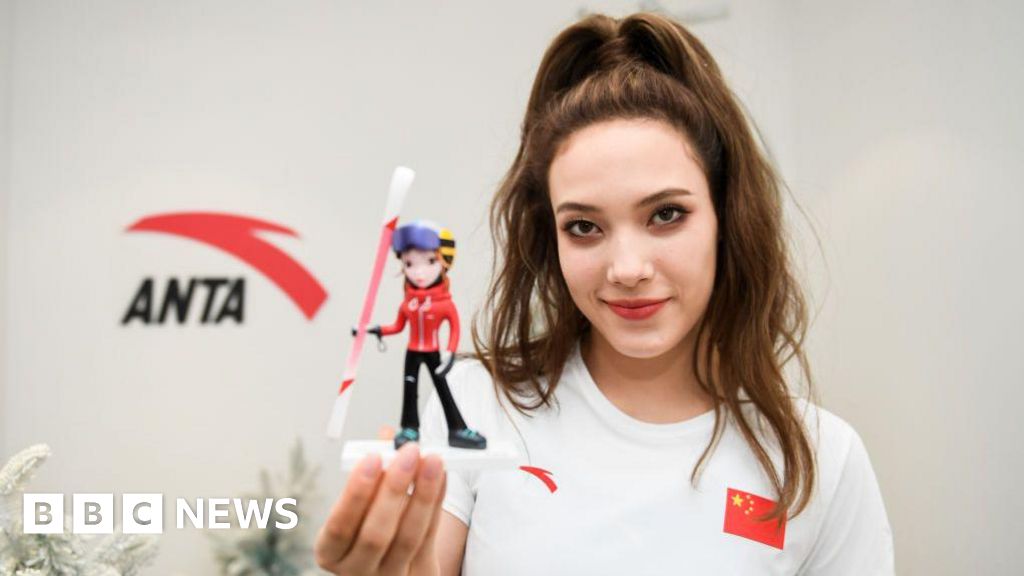
While acquisitions fueled global expansion, Anta’s dominance at home has been fortified by the “Guochao” phenomenon,a consumer trend characterized by a growing preference for Chinese brands and cultural motifs. Over the last decade, a palpable shift in Chinese consumer psychology has occurred, moving away from the blind veneration of Western labels toward a sophisticated pride in domestic innovation. Anta strategically positioned itself at the vanguard of this movement, most notably through its long-term partnership with the Chinese Olympic Committee. By outfitting Chinese athletes on the world stage, Anta effectively synonymousized its brand with national achievement.
This domestic advantage was further amplified by geopolitical shifts. As Western brands faced headwinds due to various social and political controversies, Anta capitalized on the vacuum, presenting itself as the reliable, high-quality domestic alternative. However, Anta’s success in China is not solely reliant on sentiment; it is backed by a massive digital transformation. The company’s transition to a Direct-to-Consumer (DTC) model has allowed it to bypass traditional distributors, gaining real-time data on consumer preferences and inventory levels. This agility allows Anta to refresh product lines faster than its international competitors, ensuring that its offerings remain aligned with the rapidly evolving tastes of the Chinese Gen Z demographic.
Vertical Integration and the Evolution of R&D
The final pillar of the Anta playbook is the transition from a low-cost manufacturer to a high-tech innovator. In its early years, Anta’s competitive advantage was rooted in labor costs and manufacturing scale. Today, the company reinvests a significant percentage of its revenue into Research and Development, establishing design centers in the United States, Japan, and Europe. This commitment to technical excellence is evident in their proprietary cushioning technologies and high-performance textiles, which now rival the “Air” or “Boost” technologies of their rivals.
Furthermore, Anta’s vertical integration provides a defensive moat that many Western competitors lack. By controlling various stages of the supply chain,from fabric production to retail storefronts,the company maintains superior margins and greater control over brand presentation. This integration was vital during the global supply chain disruptions of the early 2020s; while competitors struggled with shipping delays and factory closures, Anta’s localized and integrated network allowed it to maintain product flow and capture market share. The company’s ability to scale high-performance technology across its diverse brand portfolio,using innovations from one brand to enhance another,creates a synergistic effect that drives efficiency across the entire group.
Conclusion: The Future of the Global Sportswear Hierarchy
Anta’s rise serves as a definitive case study for the modern Chinese multinational. It has successfully navigated the transition from a domestic manufacturer to a global brand steward, proving that it can manage complex international portfolios without diluting their intrinsic value. However, the path forward is not without challenges. As Anta moves deeper into international markets beyond China, it will face increased scrutiny regarding corporate governance, ESG standards, and the complexities of managing Western workforces under a Chinese corporate ethos.
The “Anta Playbook” suggests that the future of the sportswear industry will not be defined by a single global aesthetic, but by the ability to manage a “house of brands” that can pivot between localized national pride and universal performance excellence. For Nike and Adidas, the threat is no longer a low-cost imitator, but a sophisticated, well-capitalized peer that has mastered the art of the acquisition and the science of the supply chain. As Anta continues to integrate Amer Sports and expand its digital footprint, the threshold for entering the elite tier of global sportswear has been permanently raised.




