







The Resurgence of Maritime Piracy in the Indian Ocean: Strategic Implications for Global Trade
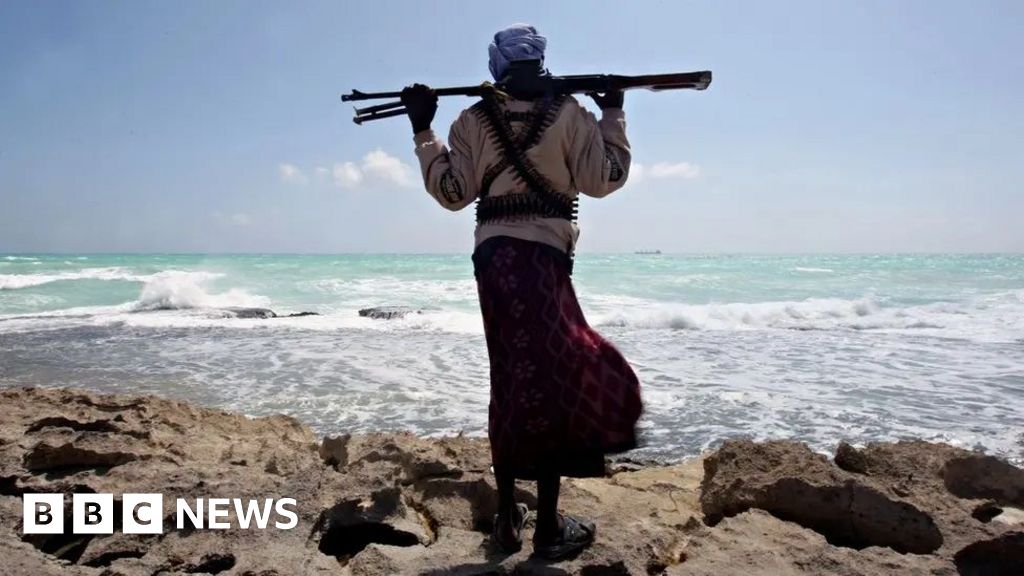
Piracy, once notorious in this stretch of the Indian Ocean, has made a comeback in recent years, signaling a volatile shift in the maritime security landscape. After nearly a decade of successful containment following the peak of Somali piracy in 2011, the international shipping community is once again facing a sophisticated and opportunistic threat. This resurgence is not merely a localized criminal issue but a complex geopolitical phenomenon that threatens the stability of a vital global trade artery. As vessels navigate the High Risk Area (HRA) and the Western Indian Ocean, the return of hijackings, boardings, and ransom demands necessitates a rigorous re-evaluation of maritime security protocols and the structural resilience of global supply chains.
Geopolitical Destabilization and the Security Vacuum
The primary driver behind the renewed pirate activity is the creation of a tactical security vacuum in the region. For years, international naval coalitions such as EU NAVFOR’s Operation Atalanta and the Combined Maritime Forces (CMF) maintained a suppressive presence that deterred illicit maritime activity. However, the recent escalation of conflict in the Red Sea,specifically the persistent missile and drone attacks by Houthi rebels on commercial shipping,has diverted significant naval assets away from the Somali coast and toward the Bab el-Mandeb strait.
This strategic pivot has left vast expanses of the Indian Ocean under-patrolled. Somali pirate syndicates, many of which had pivoted to other forms of organized crime like smuggling and illegal fishing during the “quiet” years, have quickly identified this lapse in surveillance. The intelligence networks of these criminal organizations are highly responsive; as soon as international frigates moved north to support Operation Prosperity Guardian, the frequency of pirate “mother ship” sightings increased. By utilizing captured fishing dhows as mobile bases, these groups can now project power hundreds of nautical miles off the coast, targeting merchant vessels that previously considered themselves outside the danger zone.
Furthermore, the internal political climate within Somalia continues to provide fertile ground for piracy. Despite federal progress, local instability in regions such as Puntland creates pockets of lawlessness where pirate leaders can operate with relative impunity. The symbiotic relationship between local power brokers and pirate financiers remains a critical hurdle for long-term regional stability.
Economic Implications and Supply Chain Fragility
From a macro-economic perspective, the resurgence of piracy introduces a layer of “friction” to global commerce that compounds existing inflationary pressures. The immediate impact is felt in the rise of War Risk Insurance premiums. Marine insurers have begun adjusting their rates for vessels transiting the Indian Ocean, reflecting the increased probability of total loss or high-cost ransom negotiations. These costs are rarely absorbed by the shipping lines; they are almost invariably passed down the supply chain to the end consumer.
The operational costs of mitigating this risk are also substantial. Many ship owners are once again employing Privately Contracted Armed Security Teams (PCASTs). While effective, the deployment of these teams adds tens of thousands of dollars to the operating cost of a single voyage. Furthermore, ships are being advised to increase their speed when transiting high-risk corridors, which leads to higher fuel consumption and increased carbon emissions, complicating corporate ESG (Environmental, Social, and Governance) targets.
Beyond direct costs, the threat of piracy forces a re-routing of global trade. When combined with the threat in the Red Sea, many vessels are opting for the Cape of Good Hope route around Africa. This adds approximately 10 to 14 days to a voyage between Asia and Europe, disrupting “Just-in-Time” manufacturing cycles and causing congestion at alternative ports. The cumulative effect is a decrease in global shipping capacity and a marked increase in the volatility of freight rates, which impacts everything from energy prices to the availability of consumer electronics.
Evolving Tactics and the Ransom Economy
Modern piracy in the Indian Ocean has evolved in its sophistication and tactical execution. Unlike the amateurish attempts of the early 2000s, current pirate groups demonstrate a high level of maritime skill and technological integration. They utilize GPS, satellite phones, and AIS (Automatic Identification System) tracking to identify and intercept high-value targets. The “mother ship” strategy allows them to bypass the traditional coastal defenses, striking at the heart of the Indian Ocean’s shipping lanes.
The financial model of piracy has also stabilized into a professionalized “ransom economy.” The hijacking of the MV Ruen and the MV Abdullah in recent months illustrates a return to the long-form hostage negotiation model. These incidents are not chaotic; they are calculated business transactions for the pirate syndicates. Negotiations are often handled by professional intermediaries, and the distribution of ransom funds is channeled through complex “hawala” networks, making the money trail nearly impossible to track.
There is also growing concern regarding the “nexus of convenience” between pirate groups and militant organizations such as Al-Shabaab. While their ideologies differ,one being profit-driven and the other ideologically motivated,anecdotal evidence suggests that pirates may pay “protection taxes” or “passage fees” to militants for access to certain coastal hideouts. This funding stream potentially fuels broader regional instability, creating a feedback loop where maritime insecurity funds terrestrial conflict, which in turn prevents the establishment of the rule of law necessary to stop piracy.
Concluding Analysis: The Path Forward
The return of piracy to the Indian Ocean serves as a stark reminder that maritime security is not a “set and forget” achievement, but a continuous requirement of global governance. The current resurgence is a symptom of broader geopolitical fragmentation. As long as naval resources are stretched thin by multiple concurrent crises, and as long as the root causes of instability on the Somali mainland remain unaddressed, the threat to commercial shipping will persist.
A comprehensive solution requires a three-pronged approach. First, there must be a renewed commitment to international naval cooperation that balances the need for anti-missile defense in the Red Sea with anti-piracy patrols in the wider Indian Ocean. Second, the shipping industry must maintain a high state of vigilance, strictly adhering to Best Management Practices (BMP5) and resisting the temptation to scale back security measures during periods of perceived calm. Third, and most importantly, international efforts must focus on regional capacity building. Empowering local maritime authorities and providing economic alternatives to coastal populations in Somalia is the only way to break the cycle of piracy permanently.
In the high-stakes world of global trade, the Indian Ocean remains a critical bottleneck. The costs of inaction,ranging from higher insurance premiums to the potential loss of life,are too high to ignore. Professional stakeholders must recognize that the “piracy problem” is once again a primary risk factor in the global maritime security calculus.





