







The Geopolitics of Beauty: An Analysis of the 1972 Miss World Contest and the Dual Representation of South Africa
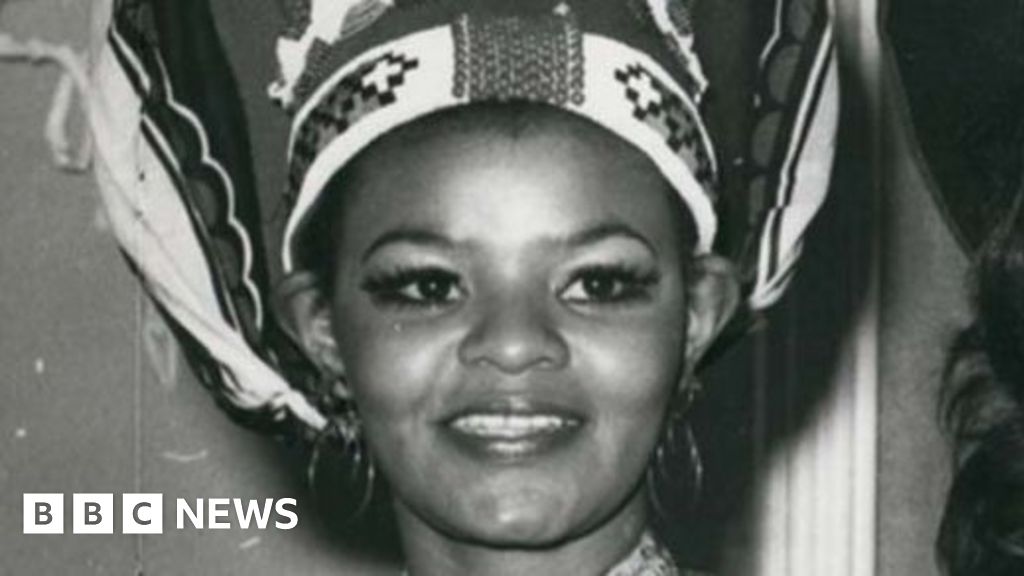
The 1972 Miss World pageant, held in London, serves as a critical case study in the intersection of international entertainment, corporate branding, and the volatile socio-political climate of the late twentieth century. At the center of this historical juncture was Cynthia Shange, a figure whose participation represented far more than a quest for a title. During an era defined by the institutionalized segregation of Apartheid in South Africa, the pageant’s decision to allow two representatives from the nation,one Black and one White,highlighted the complexities of global diplomacy and the performative nature of international inclusivity. This report examines the structural underpinnings of this event, the personal trajectory of Cynthia Shange, and the broader implications for the pageantry industry during a period of intense global scrutiny.
The Strategy of Bifurcated Representation: Miss South Africa and Miss Africa South
To understand the presence of Cynthia Shange at the 1972 Miss World contest, one must first analyze the institutional mechanisms employed by the Miss World Organization, then under the leadership of Eric Morley. By the early 1970s, South Africa faced increasing isolation from the international community, particularly in sports and cultural exchanges. In an effort to circumvent total exclusion while avoiding a direct confrontation with the South African government’s domestic policies, the pageant organizers implemented a “dual entry” system.
This system designated the White contestant as “Miss South Africa” and the Black contestant, in this instance Cynthia Shange, as “Miss Africa South.” This nomenclature was not merely a semantic choice but a tactical branding exercise designed to appease anti-Apartheid activists who demanded the inclusion of Black South Africans, while simultaneously maintaining a relationship with the Pretoria-based franchise holders. From a business and public relations perspective, this bifurcated representation was a precarious attempt at optical reconciliation. It allowed the organization to claim progressiveness without necessitating a fundamental shift in the segregated structures that selected these representatives. For Shange, entering under the title of “Miss Africa South” meant navigating a landscape where her presence was both a breakthrough for Black South African women and a point of contention for those who viewed any participation as an implicit endorsement of a segregated system.
Navigating Global Scrutiny and Professional Resilience
Cynthia Shange’s participation in the 1972 contest was marked by immense personal and professional pressure. As the first Black woman to represent South Africa on such a global stage, her every movement was analyzed through a political lens rather than an aesthetic one. The international press, often more interested in the contradictions of her citizenship than her credentials as a model, placed Shange in the crosshairs of a global debate on human rights. Despite these pressures, Shange maintained a level of poise and professionalism that would later define her long-standing career in the South African entertainment industry.
The internal dynamics between the two South African contestants,Shange and her White counterpart, Stephanie Reinecke,were also a subject of intense public curiosity. While reports from the time often attempted to paint a picture of camaraderie, the structural reality of their presence could not be ignored. They represented two different worlds governed by the same state, brought together in a foreign capital to compete in a venue that ostensibly celebrated “Beauty with a Purpose.” Shange’s ability to navigate this environment required a sophisticated understanding of the stakes involved. She was not merely a contestant; she was a pioneer who had to balance the expectations of her community at home with the demands of an international media hungry for a narrative of conflict or change.
Institutional Responses and the Limits of Corporate Neutrality
The 1972 contest revealed the limitations of “neutrality” in global entertainment brands. The Miss World Organization faced significant backlash from various international organizations and anti-Apartheid movements, who argued that the dual-representation model was a “separate but equal” fallacy that mirrored the very policies the world was condemning. This period marked a shift in how international bodies approached South African participation, moving from experimental inclusion to eventual total bans as the 1970s progressed.
From a logistical and marketing standpoint, the dual-entry experiment was a high-risk endeavor. While it initially allowed the pageant to maintain its global reach, it ultimately highlighted the impossibility of separating culture from politics. The presence of Cynthia Shange served as a catalyst for deeper discussions regarding the ethical responsibilities of international organizations. It forced stakeholders to reckon with the fact that participation is never a vacuum; by allowing the “Miss Africa South” title, the pageant was inadvertently providing a platform that underscored the racial divisions of the time. This era of pageantry serves as a precursor to the modern corporate social responsibility (CSR) movement, demonstrating that business decisions made in the interest of market expansion or conflict avoidance often carry profound ethical consequences.

Concluding Analysis: The Legacy of a Contested Platform
The 1972 Miss World contest remains a seminal moment in the history of South African cultural diplomacy. For Cynthia Shange, the event was a springboard into a prolific career as an actress and a cultural icon, proving that she could transcend the restrictive circumstances of her initial international debut. However, when viewed through a broader historical lens, the event signifies the complex maneuvers that global institutions undertake when caught between market interests and moral imperatives.
The “Two South Africas” policy at Miss World was a short-lived compromise that failed to satisfy either the proponents of the status quo or the advocates for systemic change. It did, however, provide a platform,however flawed,for Black South African identity to be asserted on the world stage. Ultimately, the participation of Cynthia Shange in 1972 illustrates the power of the individual to navigate and eventually overcome the limitations of the institutions they occupy. Her legacy is one of professional excellence achieved under conditions of extreme socio-political adversity, offering a nuanced perspective on the role of representation in the global marketplace.




