







Geopolitical Volatility and Domestic Crisis: Assessing the Strategic Impact on Sri Lanka
Sri Lanka stands at a precarious crossroads where domestic fragility meets a deteriorating global security landscape. As the nation attempts to navigate the complexities of a post-default recovery, the escalation of conflict involving Iran presents a profound external shock that threatens to derail a nascent economic stabilization. This geopolitical tension does not exist in a vacuum; rather, it arrives during a period of acute internal distress characterized by catastrophic seasonal flooding and a painful, IMF-mandated restructuring process. For an island nation heavily dependent on external trade, imported energy, and the stability of the Middle Eastern labor market, the current regional volatility represents a “black swan” event of significant proportions.
The convergence of these crises,the ecological, the economic, and the geopolitical,creates a compounding effect. While the domestic administration focuses on debt sustainability and revenue mobilization, the external reality of a Middle Eastern war threatens to undermine the very pillars of the recovery plan. The following report examines the specific vectors through which this conflict compromises Sri Lanka’s economic sovereignty and its path toward long-term resilience.
Energy Security and the Inflationary Spiral
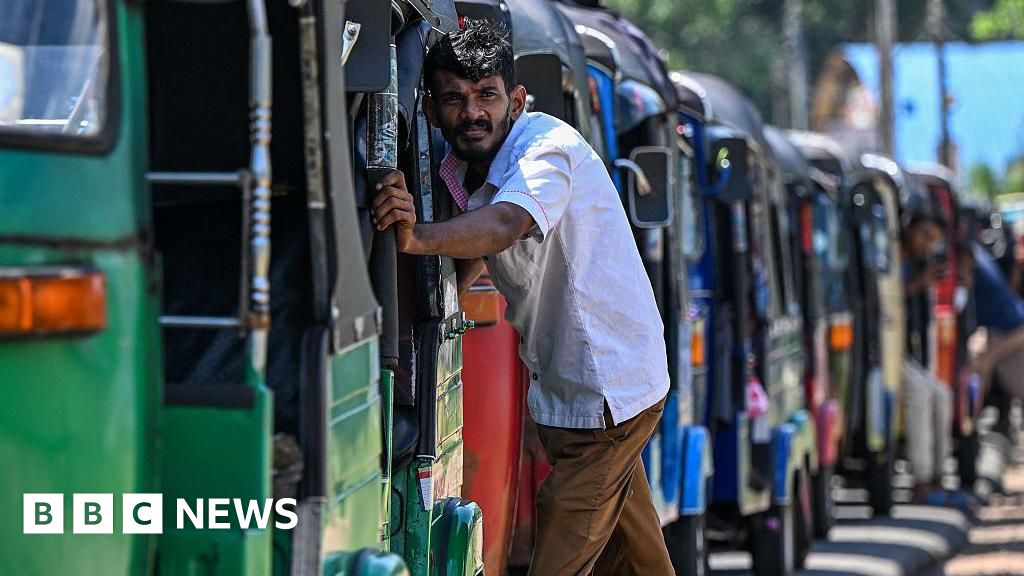
The primary transmission mechanism of the Iran-involved conflict to the Sri Lankan economy is the global energy market. Sri Lanka is a net importer of refined petroleum and crude oil, making its trade balance highly sensitive to price fluctuations in the Brent crude index. Any disruption in the Strait of Hormuz,a vital artery for global oil supply,results in immediate price hikes. For a nation that has only recently emerged from hyperinflationary peaks exceeding 70%, even a moderate increase in global energy costs threatens to reignite domestic price volatility.
Increased fuel costs serve as a regressive tax on the entire economy. The power sector, which relies on thermal generation to supplement hydro-capacity, faces rising operational costs that are invariably passed down to consumers and manufacturers through “cost-reflective” pricing mechanisms. This is particularly devastating following the recent floods, which have already compromised domestic agricultural yields and pushed food inflation higher. Higher transportation costs further exacerbate the price of essential commodities, stretching the limited purchasing power of a population where a significant percentage has fallen below the poverty line since the 2022 crisis. Furthermore, the Ceylon Petroleum Corporation (CPC) and the Ceylon Electricity Board (CEB) risk worsening their balance sheets, potentially requiring state interventions that contradict the fiscal consolidation targets required by international lenders.
Strategic Trade Disruptions and the Export Sector
Beyond energy, the Middle East represents a critical destination for Sri Lankan exports, most notably Ceylon Tea. Countries such as Iran, Iraq, and the UAE have historically been primary purchasers of high-quality Sri Lankan orthodox tea. A regional war disrupts these traditional trade routes and diminishes the discretionary spending power of consumers within those markets. Furthermore, the logistical complexities introduced by conflict,including increased maritime insurance premiums and the rerouting of shipping vessels around the Cape of Good Hope,add significant “deadweight” costs to Sri Lankan exporters.

The Red Sea corridor, already a flashpoint for maritime security, becomes increasingly hazardous as tensions escalate. For Sri Lankan exporters, this results in longer lead times and higher freight rates, making their products less competitive in European and American markets. When coupled with the recent flood-related damage to domestic infrastructure and plantations, the export sector finds itself caught in a pincer movement. The loss of export revenue is not merely a corporate concern; it directly impacts the country’s foreign exchange reserves, which are vital for maintaining the stability of the Sri Lankan Rupee and meeting external debt obligations. A stagnation in export growth at this juncture would necessitate even more stringent import controls, further stifling domestic industrial activity.
Labor Migration and the Remittance Lifeblood
Perhaps the most vulnerable pillar of the Sri Lankan economy is the flow of personal remittances from migrant workers. The Middle East remains the largest employer of the Sri Lankan diaspora, providing the primary source of foreign currency inflows that have historically bridged the nation’s trade deficit. An escalation of war involving Iran places thousands of Sri Lankan workers in potential physical danger and risks the stability of the regional economies that host them. Should a large-scale evacuation become necessary, Sri Lanka would face the dual challenge of a sudden loss of foreign exchange and the domestic burden of reintegrating a displaced workforce.
Remittances have been the “silent savior” of the Sri Lankan economy during its darkest hours, often outperforming tourism and tea exports in terms of net dollar inflows. A conflict-induced slowdown in the Gulf states or a direct threat to labor safety would lead to a contraction in these inflows, placing immediate pressure on the exchange rate. This vulnerability highlights the danger of Sri Lanka’s over-reliance on a single geographic region for its labor exports. In the context of the current domestic economic crisis, where the state’s social safety nets are already overextended by flood relief efforts, the loss of remittance-based household income could lead to a secondary humanitarian crisis within the country.
Concluding Analysis
The intersection of the Middle East conflict and Sri Lanka’s internal struggles demonstrates the fragility of recovery in a hyper-connected global economy. Sri Lanka’s “recovery” is currently a delicate balancing act of fiscal austerity and structural reform; it lacks the fiscal buffers to absorb significant external shocks. The devastating floods have already signaled the high cost of climate vulnerability, and the prospect of a regional war in the Middle East adds a layer of geopolitical risk that is largely beyond Colombo’s control.
In conclusion, the Iranian conflict could act as a catalyst for a renewed economic downturn if oil prices remain elevated and remittance channels are compromised. The authoritative outlook suggests that the Sri Lankan government must prioritize diplomatic neutrality while simultaneously accelerating the diversification of its export markets and energy sources. Relying on the status quo is no longer a viable strategy. Without significant contingency planning and a shift toward greater economic self-reliance, the progress made over the last eighteen months remains at the mercy of global forces. The path forward requires a sober acknowledgment that domestic stability is inextricably linked to the volatile shifts of the global geopolitical landscape.




