







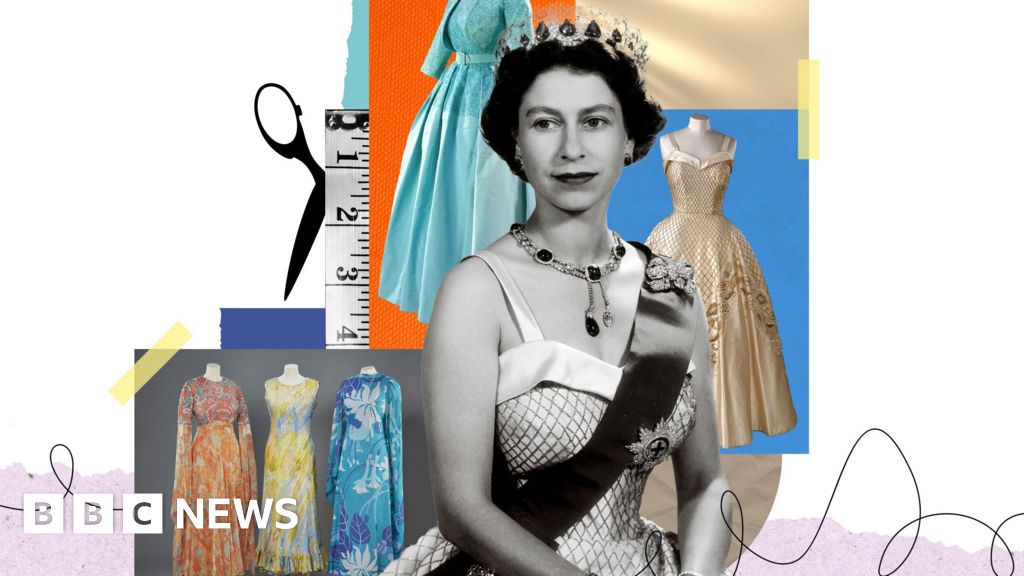
The Sartorial Architecture of Sovereignty: An Analysis of Queen Elizabeth II’s Diplomatic Wardrobe
For seven decades, the late Queen Elizabeth II presided over a period of immense global transition, maintaining the relevance of the British Monarchy through a carefully curated public persona. Central to this achievement was a sophisticated and highly strategic approach to dress. Far from being a mere matter of personal vanity or fleeting trend, the Queen’s wardrobe functioned as a powerful instrument of soft power, a medium for diplomatic messaging, and a cornerstone of the royal brand. Her style was defined by a precise formula that balanced the requirements of visibility, pragmatism, and symbolic deference to host nations, creating a visual language that was understood globally without the need for a single spoken word.
This report examines the underlying mechanisms of the Queen’s sartorial strategy, exploring how her fashion choices served as a blueprint for institutional stability. By analyzing specific instances of fashion diplomacy,ranging from state visits to the United States to the functional innovation of the transparent raincoat,we can discern a masterclass in corporate branding and geopolitical communication. The “Queen Elizabeth formula” was not merely about aesthetic consistency; it was a calculated exercise in maintaining a constant, reassuring presence in a rapidly evolving geopolitical landscape.
The Logistics of Visibility: The Neon Palette and the Royal Brand
The primary mandate of the Queen’s public appearances was accessibility. As she famously noted, she had to be “seen to be believed.” This requirement dictated a specific aesthetic strategy: the use of vibrant, block colors. From lime green and neon pink to electric blue, her penchant for high-visibility hues ensured that she remained the focal point in any crowd, regardless of size or density. In business terms, this represented a highly successful implementation of visual identity; the Queen herself became the logo of the British state.
Under the long-term stewardship of dressmakers like Norman Hartnell, Hardy Amies, and most recently Angela Kelly, this color-blocking strategy became a rigid corporate standard. Each ensemble was designed to provide maximum contrast against urban and rural backgrounds alike. Furthermore, the consistency of her silhouette,the structured coat, the matching hat, the pearls, and the ubiquitous Launer handbag,created a sense of reliability and continuity. In an era of profound social upheaval, the Queen’s unwavering aesthetic served as a visual anchor, signaling that while the world might change, the institution of the Monarchy remained steadfast and predictable.
Sartorial Diplomacy: Fashion as a Geopolitical Instrument
The Queen’s wardrobe reached its highest level of sophistication during international state visits, where clothing was utilized as a primary tool of diplomatic leverage. “Fashion diplomacy” involved the subtle integration of host-nation symbols into her attire, a gesture of respect that often resonated more deeply than formal rhetoric. During her various tours of the United States, for instance, her evening gowns were frequently designed to mirror the cultural or national colors of the host, incorporating intricate embroidery that referenced local flora or traditional motifs.
This practice was not limited to the U.S.; it was a global strategy. Whether it was the inclusion of the maple leaf in Canada, the lotus in India, or specific shades of jade in East Asia, the Queen used her garments to acknowledge the sovereignty and identity of the nations she visited. This semiotic approach to dressing allowed her to navigate complex political sensitivities with grace. By adopting these symbols, she positioned the Monarchy not as a relic of imperial overreach, but as a respectful partner in modern international relations. This meticulous attention to detail ensured that every photograph taken during a state visit conveyed a message of bilateral harmony and mutual respect.
Innovation and Pragmatism: The Functional Aesthetic
While the symbolic aspects of the Queen’s wardrobe were paramount, they were underpinned by a rigorous commitment to pragmatism and functional design. The Queen’s role was, at its core, a demanding form of public labor, requiring her to endure long hours in varying climates and conditions. Her clothing had to perform under pressure. One of the most iconic examples of this functional innovation was the “transparent raincoat.” This custom-made piece allowed the Queen to remain dry during inclement weather without obscuring her outfit or her face from the public. It was a solution that prioritized the brand’s visibility over personal comfort or traditional fashion norms.

Further pragmatic measures were integrated into her garments to prevent wardrobe malfunctions and maintain the dignity of the office. Hems were often weighted with small lead weights to ensure that coats and skirts remained stationary in high winds,a critical consideration for arrivals at airports or on the decks of naval vessels. Her shoes, primarily handcrafted by Anello & Davide, were broken in by staff to ensure she never suffered from discomfort during prolonged standing. Even her handbags were more than accessories; they were rumored to be used as signaling devices to her staff, indicating when she wished to conclude a conversation or leave an event. This blend of high-stakes symbolism and low-level logistical precision defined the professional nature of her wardrobe.
Concluding Analysis: The Legacy of a Visual Monopoly
The style of Queen Elizabeth II represented one of the most successful and sustained branding exercises in modern history. By eschewing the volatility of the fashion industry in favor of a timeless, highly functional uniform, she achieved a level of visual recognition that few global leaders could match. Her wardrobe was a deliberate construct that served the interests of the state, utilizing color, symbol, and innovation to project an image of enduring stability and diplomatic goodwill.
Ultimately, the Queen’s sartorial legacy is a testament to the power of consistency. In a world characterized by “fast fashion” and rapidly shifting political cycles, she maintained a visual monopoly that transcended borders and generations. Her ability to use fashion as a silent language of diplomacy allowed her to bridge cultural divides and reinforce the soft power of the United Kingdom on the world stage. The “transparent raincoat” and the “neon suit” were more than just garments; they were components of a sophisticated communications strategy that ensured the Monarchy remained visible, respected, and relevant throughout the twentieth and twenty-first centuries.




