







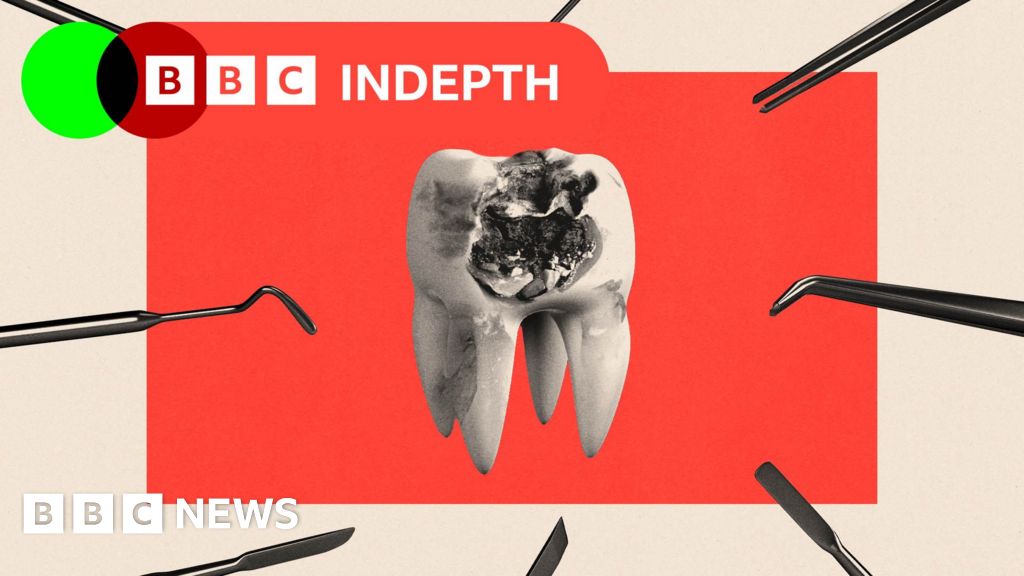
The Crisis in NHS Dentistry: Analyzing the Efficacy of Proposed Structural Reform
The dental healthcare landscape in the United Kingdom has reached a critical inflection point. For over a decade, the systemic erosion of National Health Service (NHS) dentistry has transitioned from a localized inconvenience to a full-scale public health emergency. Patients across the country now face a “dental desert” phenomenon, where the proximity of a clinic no longer guarantees the availability of state-funded care. This collapse in accessibility has forced thousands into the private sector, while those without the financial means are left to endure chronic pain or resort to “DIY dentistry,” a practice previously unheard of in a modern G7 economy. As political pressure mounts, the Labour Party has introduced a strategic framework intended to salvage the service. However, while the rhetoric of reform is robust, a granular analysis suggests that the path to a functional, universal dental service remains fraught with fiscal and structural obstacles.
Strategic Interventions: The Architecture of the Labour Proposal
Labour’s primary response to the dental crisis centers on a targeted injection of funding and a reimagining of early-childhood preventative care. At the heart of the proposal is a commitment to provide 700,000 additional urgent dental appointments per year. This is intended to act as a pressure valve for the overstretched emergency departments and GP surgeries currently managing dental infections. Furthermore, the plan introduces a “golden hello” incentive scheme, offering £20,000 to newly qualified dentists who commit to working in underserved areas for at least three years. This geographic redistribution strategy aims to address the stark inequality in service provision between affluent urban centers and rural or deprived coastal communities.
Beyond emergency stabilization, the proposed policy emphasizes a shift toward prophylactic care. The introduction of supervised toothbrushing schemes for three- to five-year-olds in breakfast clubs is designed to mitigate the surging rates of childhood tooth decay,currently the leading cause of hospital admissions for young children. By integrating oral hygiene into the educational environment, the strategy seeks to lower the long-term burden on the NHS. However, the success of these initiatives depends heavily on the operational cooperation of schools and the consistency of funding, which critics argue may be underestimated in the current fiscal climate.
The Contractual Quagmire and Workforce Migration
Any political intervention in NHS dentistry must eventually reckon with the 2006 dental contract, a system widely cited by practitioners as the primary driver of the current exodus. The Unit of Dental Activity (UDA) system effectively penalizes dentists for taking on complex cases, as the reimbursement often fails to cover the laboratory costs and clinical time required for intricate procedures. This “treadmill” effect has led to a significant sectoral migration, with many experienced dentists reducing their NHS commitments or withdrawing from the service entirely to pursue private practice models that offer greater clinical autonomy and financial stability.
While Labour has acknowledged the need for contract reform, the specifics of a replacement model remain opaque. The professional consensus suggests that without a total departure from the UDA framework toward a capitation-based model,which prioritizes patient outcomes and prevention over raw volume,the proposed 700,000 appointments may be difficult to fulfill. The workforce is currently operating at near-maximum capacity; therefore, adding appointments requires not just funding, but a fundamental restoration of morale and professional viability to prevent further attrition. Incentives for new graduates are a welcome start, but they do not address the “leaky bucket” problem of mid-career professionals leaving the state sector.
Industry Skepticism and the Scale of the Backlog
The reception of the Labour plan within the dental profession has been one of cautious pragmatism mixed with significant skepticism. Groups such as the British Dental Association (BDA) have pointed out that the proposed funding,estimated at approximately £400 million,is a modest sum when compared to the multi-billion-pound real-terms funding gap that has accumulated since 2010. Critics argue that the 700,000 additional appointments, while significant in isolation, represent only a fraction of the millions of appointments lost during the pandemic and subsequent recovery period. There is a palpable concern that the policy addresses the symptoms of the crisis rather than the underlying pathology of chronic underfunding.
Furthermore, the logistical implementation of supervised toothbrushing and targeted incentives faces bureaucratic hurdles. School leaders have already expressed concerns regarding the additional administrative and supervisory burden placed on staff. Meanwhile, the “golden hello” scheme may face competition from a private sector that can offer significantly higher starting salaries and more flexible working conditions without the administrative overhead of NHS compliance. For the plan to succeed, it must be part of a broader, more holistic integration of oral health into the wider healthcare strategy, rather than being treated as an isolated elective service.
Concluding Analysis: A Step Forward or a Temporary Patch?
In conclusion, the Labour Party’s plan for NHS dentistry represents a significant admission that the status quo is unsustainable. By focusing on urgent access and childhood prevention, the strategy correctly identifies the two most acute points of failure in the current system. The emphasis on geographic redistribution is a necessary acknowledgment of the “postal code lottery” that currently dictates dental health outcomes in the UK. However, the professional and economic reality suggests that these measures may only provide temporary relief unless they are accompanied by a radical overhaul of the dental contract and a substantial, long-term increase in the core budget.
For a true revitalization of the service, the government must move beyond incrementalism. The challenge lies in creating a system that is as attractive to providers as it is accessible to patients. This requires a transition to a preventative-focused funding model that reflects the actual costs of modern clinical practice. While the current proposals are a move in the right direction, they are best viewed as the first phase of a decades-long recovery project. Without structural stability and a genuine partnership with the dental workforce, the goal of a universal, comprehensive NHS dental service will remain an aspiration rather than a reality.





