






The Integration of Social Responsibility in Airline Ancillary Revenue Models
In the modern aviation landscape, the distinction between a service and a commodity has become increasingly blurred. Over the past two decades, the global airline industry has undergone a seismic shift toward “unbundled” pricing models. This strategy, pioneered by low-cost carriers (LCCs) and subsequently adopted by legacy airlines, separates the core transportation service from secondary features such as checked baggage, in-flight meals, and, most controversially, seat selection. While these ancillary revenue streams have become essential for maintaining airline profitability and stabilizing balance sheets in a volatile market, they have simultaneously created a friction point between corporate financial objectives and the fundamental needs of specific passenger demographics.
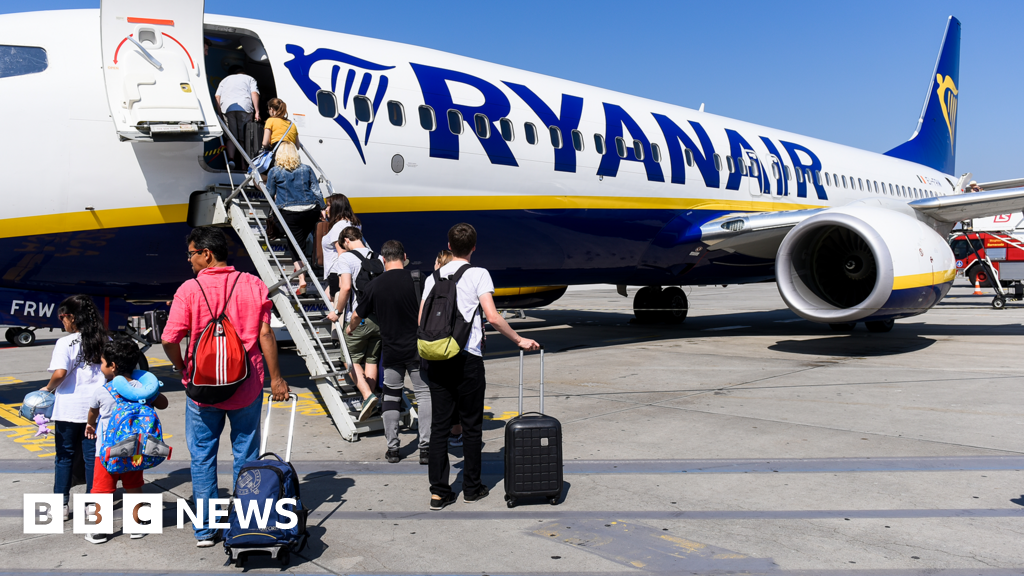
Recent industry directives have brought this tension into sharp focus, particularly concerning the seating arrangements for families with young children and passengers with reduced mobility (PRM). The core of the current debate centers on the ethical and operational necessity of ensuring that vulnerable passengers are not separated from their caregivers or companions by a paywall. As regulatory bodies and consumer advocacy groups increase their scrutiny, the aviation sector is being forced to reconsider how it balances the pursuit of ancillary growth with its duty of care and social responsibility.

The Monetization of Proximity: Ancillary Revenue Trends
The monetization of seat selection is no longer a peripheral revenue source; it is a cornerstone of the contemporary airline business model. By categorizing various zones of the aircraft,such as extra legroom, exit rows, or forward-cabin placement,as premium assets, airlines have successfully incentivized passengers to pay a surcharge for perceived value. However, the extension of this model to include standard seat assignments has created a scenario where “proximity” itself is sold as a luxury. For a typical family or a group traveling together, the cost of ensuring they sit in the same vicinity can add significant percentages to the total ticket price.
From an expert financial perspective, the logic is sound: by charging for seats, airlines can keep base fares lower, theoretically making air travel more accessible to the price-sensitive traveler. Yet, this logic falters when applied to passengers for whom proximity is a necessity rather than a preference. When seat selection fees are applied indiscriminately, they act as a “mandatory tax” on families and disabled passengers. This has led to a growing consensus among industry analysts that the current trajectory of ancillary monetization requires a more nuanced, tiered approach that recognizes the difference between “preferred seating” for comfort and “essential seating” for safety and support.
Regulatory Standards for Vulnerable Passenger Demographics
The directive that airlines should aim to seat children under the age of 12 within the immediate vicinity of an accompanying adult,specifically in the same row or no more than one row or aisle away,represents a significant shift toward standardized passenger protections. This is not merely a matter of convenience; it is a critical safety and psychological concern. In the event of an emergency evacuation or sudden turbulence, the separation of a young child from their guardian poses substantial risks to the child’s safety and can impede the overall efficiency of cabin crew procedures. Furthermore, the operational burden of gate agents having to manually rearrange seating charts at the last minute to accommodate families creates delays and increases the likelihood of passenger dissatisfaction.
Similarly, the mandate to make “all reasonable efforts” to seat disabled persons or individuals with reduced mobility with their companions is rooted in the principles of accessibility and human rights. For many passengers with disabilities, their companion provides essential physical assistance, medical monitoring, or emotional support that cabin crew are not always equipped to provide. The industry is now facing a mandate to formalize these “reasonable efforts” into codified internal policies. This involves moving away from discretionary, ad hoc arrangements made at the boarding gate and toward systemic, algorithmic solutions that recognize the linked status of these passengers at the point of booking.
Technological and Operational Hurdles in Seat Management
Implementing these proximity requirements presents a complex logistical challenge for airlines, particularly those operating on razor-thin turnaround times. Modern Global Distribution Systems (GDS) and airline Passenger Service Systems (PSS) are highly optimized to maximize yield by holding back certain seats for high-status frequent flyers or those willing to pay a premium. Introducing a set of constraints that requires the system to bypass these revenue-generating triggers for specific passenger types requires sophisticated software integration. The challenge lies in creating an algorithm that can identify a “family unit” or “PRM pair” and automatically reserve adjacent seating without cannibalizing the airline’s ability to sell those same seats to other customers should the family booking not occur.
Moreover, the definition of “reasonable efforts” remains a point of contention and potential legal ambiguity. For an airline operating a sold-out flight where passengers have already paid for specific seat assignments, moving those passengers to accommodate a family or a disabled traveler can result in “reverse dissatisfaction” and potential requests for refunds or compensation. To mitigate this, expert consultants suggest that airlines must adopt a proactive seat-blocking strategy. By reserving a percentage of “neutral” seats that are only released for assignment near the time of departure, airlines can fulfill their social obligations without infringing upon the paid selections of other travelers. This requires a delicate balance of inventory management that prioritizes regulatory compliance alongside revenue integrity.
Conclusion: The Future of Equitable Air Travel
The evolution of airline seating policies reflects a broader trend in the corporate world: the transition from pure profit-seeking to a model that incorporates Environmental, Social, and Governance (ESG) criteria. As this report has outlined, the practice of charging for seat selection, while commercially lucrative, cannot be applied in a vacuum. The specific needs of children, the elderly, and the disabled represent a threshold where market dynamics must yield to fundamental standards of care. The directive to keep children near their guardians and disabled passengers near their companions is an essential step in maintaining the integrity of the travel experience.
Looking forward, the aviation industry must anticipate more stringent regulations if voluntary compliance remains inconsistent. Carriers that proactively integrate these social requirements into their digital booking ecosystems will likely enjoy a competitive advantage, manifesting in higher brand loyalty and lower operational friction at the airport. Ultimately, the sustainability of the ancillary revenue model depends on its perceived fairness. By ensuring that the most vulnerable passengers are treated with dignity and foresight, airlines can protect their revenue streams while upholding their commitment to public safety and service excellence. The goal for the coming decade will be the seamless synchronization of profit-driven algorithms with the human-centric requirements of global transit.




