







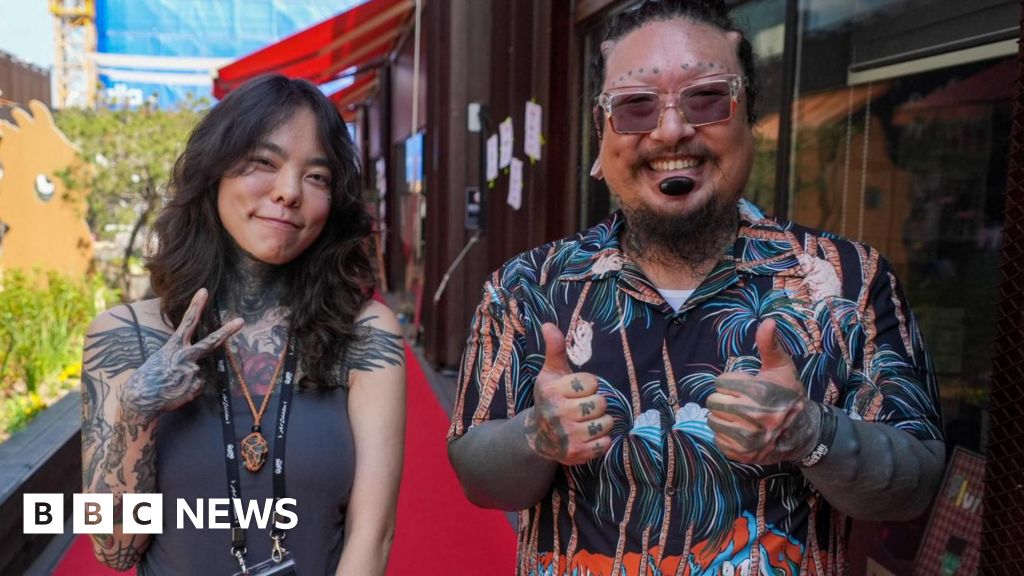
The Medical Monopoly: Analyzing the Regulatory Constraints on South Korea’s Tattoo Industry
South Korea stands as a singular anomaly in the global aesthetic and creative markets. While the nation has successfully exported “K-beauty” and pop culture as primary economic drivers, its domestic regulatory framework for tattooing remains one of the most restrictive in the developed world. For decades, the practice of tattooing has been legally categorized not as an art form or a personal service, but as a specialized medical procedure. This classification stems from a landmark 1992 Supreme Court ruling which posited that because tattooing involves the use of needles to penetrate the skin, it carries inherent risks of infection and complications that only a licensed medical professional is qualified to manage. Consequently, the vast majority of the country’s thriving tattoo industry operates in a precarious legal “gray zone,” where talented artists face the constant threat of criminal prosecution, heavy financial penalties, and even imprisonment.
This report examines the structural tensions between South Korea’s rigid medical laws and the reality of a booming underground economy. It explores the economic implications of the current prohibition, the evolving legal challenges brought forth by labor unions, and the broader social shift that is currently putting pressure on the National Assembly to modernize the nation’s outdated statutes.
The Legislative Framework and the Doctrine of Medical Necessity
At the heart of the controversy lies the Medical Service Act, specifically Article 27, which prohibits anyone other than a licensed medical practitioner from performing “medical acts.” The South Korean judiciary has historically interpreted this broadly. Under this interpretation, any procedure that could potentially result in physiological harm,regardless of the artistic intent,is the exclusive domain of doctors. For an artist to legally ink a client, they must first spend years in medical school earning a degree that bears little relevance to the technical or aesthetic skills required for high-quality tattooing.
The punitive measures for violating these statutes are severe. Unlicensed practitioners can face fines reaching up to 50 million won (approximately $37,000 USD) or custodial sentences. In extreme cases, repeat offenders or those operating large-scale studios have been sentenced to several years in prison. From a regulatory perspective, the government justifies this stance as a public health necessity. The Ministry of Health and Welfare argues that without medical oversight, the risk of blood-borne pathogens such as Hepatitis or HIV, as well as severe allergic reactions to pigments, poses an unacceptable threat to the citizenry. However, critics point out a fundamental paradox: very few licensed doctors actually have the training or desire to perform tattoos, effectively creating a vacuum where legal services are non-existent despite high consumer demand.
Economic Friction and the Rise of the Underground Market
The economic disparity caused by this medical monopoly is profound. Industry estimates suggest that there are over 250,000 tattooists currently operating in South Korea, serving a customer base of approximately 13 million people,nearly a quarter of the population. Despite the illegality, “K-tattoos” are globally renowned for their intricate, fine-line detail, drawing international tourists to clandestine studios in Seoul’s Hongdae and Itaewon districts. However, because these businesses cannot officially register, they exist outside the tax net, leading to significant lost revenue for the state.
For the artists, the lack of legal recognition creates an environment of professional instability. Without the protection of labor laws, tattooists are vulnerable to extortion from clients who threaten to report them to the police if they are dissatisfied with the work or if they wish to avoid payment. Furthermore, the inability to secure business insurance or traditional bank loans hampers the growth of these small enterprises. This “underground” status also complicates the implementation of standardized safety protocols. While many Korean artists voluntarily adhere to international hygiene standards, the government cannot officially mandate or inspect these facilities without acknowledging their right to exist, creating a circular logic that arguably undermines the very public health goals the law intends to protect.
Legislative Momentum and the Path Toward Reform
In recent years, the push for reform has moved from the fringes of social discourse to the center of the legislative agenda. Organizations such as the Korea Tattoo Federation have been vocal in their advocacy, arguing that the 1992 ruling is a violation of the constitutional right to freedom of expression and the right to choose one’s occupation. Several petitions have reached the Constitutional Court, and while the court has upheld the medical requirement in the past,most recently in a 2022 split decision,the narrowing margin of these rulings suggests a shifting judicial perspective.
Public sentiment is also trending toward liberalization. As tattoos become increasingly visible on high-profile athletes and K-pop idols, the historical stigma associated with organized crime has largely dissipated among the younger demographic. Political figures from various parties have begun introducing “Tattooist Acts” aimed at creating a separate licensing system under the Ministry of Health and Welfare. Such a system would require artists to undergo rigorous hygiene and safety training without requiring a full medical degree. This middle-ground approach seeks to balance the necessity of public safety with the reality of a modern, professionalized industry, potentially bringing South Korea in line with the regulatory standards of other OECD nations.
Concluding Analysis: The Necessity of a Regulatory Transition
The current state of the South Korean tattoo industry is an unsustainable collision between traditional jurisprudence and modern socio-economic reality. The continued classification of tattooing as a medical act serves neither the practitioners nor the public effectively. By maintaining an outright prohibition for non-doctors, the state has inadvertently fostered an unregulated shadow market that lacks institutional oversight, insurance protections, and tax contributions.
An authoritative analysis suggests that the transition toward a specialized licensing framework is not merely an aesthetic preference but an economic and legal necessity. Modernizing these laws would allow the government to enforce strict hygiene standards, collect tax revenue, and protect the labor rights of thousands of creative professionals. Furthermore, it would solidify South Korea’s position as a global leader in the “soft power” economy by legitimizing one of its most respected creative exports. As the gap between the law and societal practice continues to widen, the pressure for a comprehensive legislative overhaul will likely reach a breaking point, necessitating a shift from a medical monopoly to a regulated professional industry.





