







Strategic Reorientation: The Geopolitics of the Power of Siberia 2 Pipeline
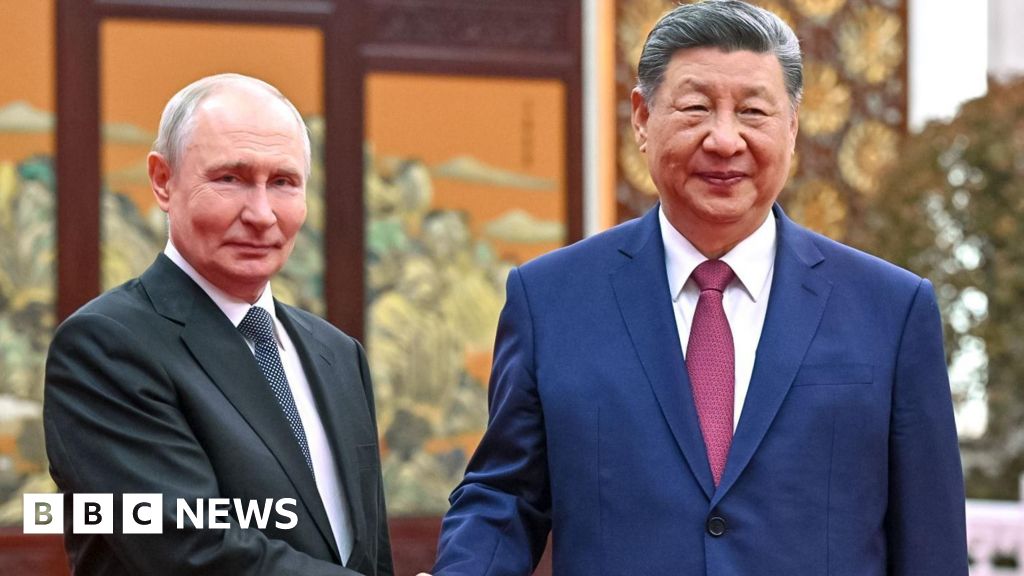
The global energy landscape is currently undergoing a profound structural transformation, driven largely by the systemic decoupling of the Russian Federation from Western European markets. At the center of this transition lies the ambitious “Power of Siberia 2” (PS2) pipeline project, a massive infrastructure undertaking designed to reroute vast quantities of natural gas from the fields of Western Siberia to the industrial hubs of Northern China. For Moscow, this project is far more than a mere commercial venture; it represents a critical lifeline intended to offset the permanent loss of its most lucrative historical client base. However, the progression of this project remains contingent upon complex trilateral negotiations involving Beijing and Ulaanbaatar, reflecting a shift in the global balance of power where energy security and geopolitical leverage are inextricably linked.
The proposed pipeline aims to transport up to 50 billion cubic meters (bcm) of natural gas annually, traversing the territory of Mongolia to reach the Chinese border. This capacity is roughly equivalent to the now-defunct Nord Stream 1 pipeline, illustrating the scale of Russia’s intent to replace its lost European exports. As Beijing remains cautious and deliberate in its energy procurement strategies, the Power of Siberia 2 has become a litmus test for the “no limits” partnership between the two nations. The following report examines the strategic imperatives, the economic hurdles, and the long-term geopolitical implications of this critical energy corridor.
Geopolitical Realignment and the Pivot to the East
For decades, Russia’s energy infrastructure was fundamentally oriented toward the West. The gas fields of the Yamal Peninsula and Western Siberia were developed specifically to feed the demand of the European Union, fostering a mutual dependency that defined late 20th-century geopolitics. The abrupt fracturing of this relationship following the 2022 invasion of Ukraine has necessitated an unprecedented pivot to Asian markets. The Power of Siberia 2 is the physical manifestation of this “Pivot to the East,” designed to link the same gas fields that once supplied Germany and France to the burgeoning demand centers of the People’s Republic of China.
The inclusion of Mongolia as a transit state adds a layer of diplomatic complexity to the project. For Ulaanbaatar, the pipeline offers the potential for significant transit fees and access to subsidized gas for domestic use, which could alleviate chronic urban air pollution. For Moscow and Beijing, the Mongolian route represents the shortest and most geographically viable path, though it introduces a third-party risk that was absent in the original Power of Siberia 1 project, which connects Russia directly to China via the Amur region. This realignment signifies a broader trend in which Russia is increasingly reliant on Chinese demand to maintain its fiscal stability, effectively shifting its strategic center of gravity toward the Pacific.
Economic Friction and Negotiating Leverage
Despite the high-level diplomatic rhetoric, the progress of the Power of Siberia 2 has been hampered by significant disagreements over pricing and project financing. Beijing is acutely aware of its superior bargaining position. With the European market largely closed to Russian pipeline gas, China serves as Russia’s primary alternative for large-scale exports. Consequently, Chinese negotiators have reportedly pushed for pricing structures that mirror domestic regulated rates or are heavily discounted against global benchmarks,terms that would significantly compress the profit margins for Gazprom, the state-owned energy giant.
Furthermore, the cost of construction,estimated in the tens of billions of dollars,remains a point of contention. While Russia is eager to accelerate the timeline to secure long-term revenue streams, China has shown a preference for a more measured approach. Beijing’s energy policy is dictated by the principle of diversification; it is loath to become over-reliant on any single supplier, even a strategic partner like Russia. By dragging out negotiations, China ensures it can extract the most favorable economic terms while maintaining its leverage in the broader bilateral relationship. This asymmetric power dynamic suggests that while the pipeline is likely to eventually proceed, it will be on terms that favor Chinese energy security over Russian commercial profitability.
Infrastructure Resilience and Technical Constraints
The technical scale of the Power of Siberia 2 project is immense. Spanning thousands of kilometers across permafrost and rugged terrain, the pipeline requires specialized engineering and significant capital investment. Unlike the original Power of Siberia 1, which draws from newer fields in Eastern Siberia (Chayandinskoye and Kovyktinskoye), the PS2 project is intended to tap into the legacy fields of the Yamal region. These fields are already connected to a comprehensive domestic grid, meaning that once the PS2 is operational, Russia will have the technical flexibility to shift gas supplies between East and West,a capability it currently lacks.

However, the technical execution is complicated by international sanctions, which have restricted Russia’s access to high-end Western technology, such as large-scale turbines and sophisticated compression station components. While Russia has made strides in import substitution and has sought Chinese technical assistance, the absence of Western specialized services may lead to increased costs and potential delays in the construction timeline. The successful completion of the pipeline will depend on Russia’s ability to manage these technical hurdles while ensuring that the infrastructure remains viable over a 30-year operational lifespan.
Concluding Analysis: A New Era of Energy Interdependence
The Power of Siberia 2 pipeline represents the definitive end of the era of Russo-European energy synergy and the beginning of a more transactional, albeit deep, interdependence between Moscow and Beijing. From an authoritative business perspective, the project is a strategic necessity for the Russian state, yet it carries the inherent risk of creating a “monopsony” trap, where Russia becomes overly dependent on a single buyer who can dictate the terms of trade. For China, the pipeline is a valuable component of its energy security strategy, providing a secure, overland supply of natural gas that is immune to maritime blockades in the Strait of Malacca or the South China Sea.
In the final analysis, the Power of Siberia 2 is more than a conduit for hydrocarbons; it is a monument to the shifting tectonic plates of global power. While the immediate focus remains on pricing and construction schedules, the long-term impact will be the permanent integration of the Russian and Chinese energy ecosystems. This integration will likely result in a more insulated, continental economic bloc, fundamentally altering the global energy trade for the foreseeable future. The success of the project will not be measured merely by the volume of gas delivered, but by the degree to which it reshapes the economic and strategic autonomy of the Eurasian landmass.




