







The State of the Asiatic Lion: A Strategic Assessment of the Gir Forest Ecosystem
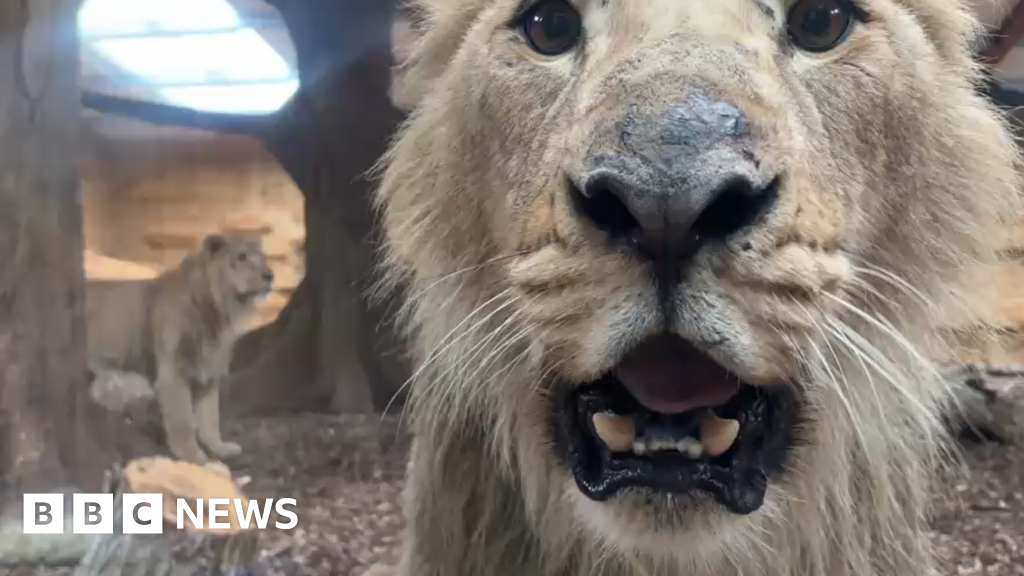
The conservation trajectory of the Asiatic lion (Panthera leo leo) stands as a definitive case study in successful wildlife management and the complexities of ecological stewardship. Once ranging across the vast landscapes of Southwest Asia and the Indian subcontinent, the species is now geographically confined to a singular, approximately 1,400-square-kilometer sanctuary: the Gir National Park and Wildlife Sanctuary in the Indian state of Gujarat. With a current estimated population fluctuating between 500 and 600 individuals, the Asiatic lion represents a unique biological asset that is both a symbol of national heritage and a subject of intense scientific and administrative scrutiny.
The stabilization of this population from the brink of extinction,where numbers were estimated to be as low as 20 at the turn of the 20th century,is a testament to rigorous protectionist policies and localized conservation efforts. However, this success brings forth a new set of challenges that transcend traditional wildlife management. The transition from near-total eradication to a burgeoning population necessitates a transition in strategy, moving from simple protection to a nuanced model of habitat optimization, genetic risk mitigation, and socio-economic integration. As the species reaches the carrying capacity of its primary habitat, the international conservation community and regional stakeholders must address the long-term sustainability of this concentrated population.
Demographic Trends and Territorial Expansion
The most recent census data confirms a steady upward trend in the Asiatic lion population, reflecting an annual growth rate that has consistently outpaced historical projections. While the core of the population remains within the Gir National Park, the demographic pressure has forced a significant spatial expansion. Lions are now increasingly observed in the “Greater Gir” region, an area encompassing the districts of Amreli, Bhavnagar, and Gir Somnath. This expansion indicates a resilient species capable of adapting to diverse terrains, including coastal scrublands and agricultural peripheries.

This territorial broadening, while a positive indicator of population vigor, presents a complex management paradigm. Unlike their African counterparts, Asiatic lions in Gujarat frequently interact with human-dominated landscapes. The management of this “human-lion interface” is critical. The state government has implemented sophisticated monitoring systems, utilizing radio telemetry and a dedicated force of “Lion Trackers” to mitigate potential conflicts. The success of this expansion is largely attributed to the cultural ethos of the local communities, particularly the Maldharis,pastoralists who have coexisted with these predators for generations. Their tolerance of occasional livestock predation, supported by a state-sponsored compensation framework, forms the backbone of a unique socio-ecological equilibrium that prevents the retaliatory killings common in other global predator habitats.
Infrastructure for Risk Mitigation and Genetic Stability
The concentration of an entire species in a single geographic pocket introduces a high degree of stochastic risk. From an epidemiological perspective, the Asiatic lion is exceptionally vulnerable. A singular outbreak of a virulent disease, such as the Canine Distemper Virus (CDV), could theoretically decimate the entire wild population in a matter of weeks. To address this, the administrative framework has pivoted toward advanced veterinary intervention. High-tech rescue centers and specialized hospitals have been established within the Gir periphery, equipped with modern diagnostic facilities and isolation wards. Routine screening of feral dog populations,the primary vectors for many feline diseases,is now a standard operational procedure.
Parallel to disease management is the concern over genetic diversity. Because the current population descended from a very small bottleneck, the genetic pool is remarkably narrow. This lack of heterozygosity could lead to inbreeding depression, manifesting in reduced fertility or increased susceptibility to congenital defects. Conservationists are currently debating the merits of various interventions, ranging from intensive habitat management to maximize natural gene flow, to more controversial proposals regarding the establishment of a second, geographically distant population. The institutional focus remains on maintaining high-quality habitat corridors that allow for the movement of male lions, thereby ensuring that the available genetic variation is distributed as effectively as possible across the various sub-populations within the Saurashtra region.
The Socio-Economic Impact of the Gir Ecosystem
From a business and regional development perspective, the Asiatic lion is an economic powerhouse for the state of Gujarat. The Gir ecosystem supports a massive tourism industry that provides direct and indirect livelihoods for thousands of residents. This “lion economy” includes high-end eco-lodges, transport services, and local guide cooperatives. The strategic branding of the Asiatic lion has not only bolstered regional pride but has also incentivized the local populace to act as the first line of defense against poaching and illegal activities. The absence of poaching incidents in Gir, relative to other tiger reserves in India, is a direct result of this community-aligned economic model.
Furthermore, the presence of the lion provides essential ecosystem services that are often undervalued in traditional economic assessments. As the apex predator, the lion maintains the balance of the ungulate population, preventing overgrazing and ensuring the health of the deciduous forest. This, in turn, facilitates groundwater recharge and soil stability in an otherwise semi-arid region. The professional management of the Gir Forest, therefore, is not merely an act of biological preservation but a vital investment in regional environmental security. The Gujarat government’s “Project Lion” initiative reflects this, seeking to modernize the infrastructure through the deployment of drones, AI-integrated surveillance, and advanced forensic laboratories to ensure the continued integrity of this ecological asset.
Concluding Analysis: The Strategic Path Forward
The conservation of the Asiatic lion is currently at a critical juncture. The achievement of maintaining 500 to 600 individuals is a monumental feat of 21st-century wildlife management, yet it also creates a “success trap.” The primary vulnerability of the species is no longer poaching or habitat loss, but its lack of geographic distribution. The “single-site” monopoly poses a systemic risk that necessitates a forward-looking, multi-state conservation strategy. While the current management in Gir is exemplary, the long-term survival of the species likely requires the establishment of at least one additional, independent population in a suitable habitat elsewhere in India.
To ensure the Asiatic lion’s future, the focus must shift toward a landscape-level conservation approach that views the Saurashtra region as a single, interconnected matrix. Continued investment in veterinary science, genetic research, and human-wildlife conflict resolution will be paramount. Moreover, the integration of advanced technology in monitoring and data analytics will allow for more predictive, rather than reactive, management. The Asiatic lion remains one of the world’s most vulnerable yet resilient large felids; its survival will depend on a sophisticated balance of political will, scientific rigor, and the continued support of the communities that live in its shadow. The Gir model provides a blueprint for how a flagship species can be brought back from the edge, but the next chapter of this success story must address the limitations of its own confinement.




